
Gone are the days where important files are kept locked behind the boss’ desk. Most companies have transitioned to keeping employee and business information on computers and within specialized software.
Unfortunately, when processes evolve, scammers follow suit. Instead of physically breaking into an office, cybercriminals hack into technology systems or, thanks to sophisticated AI usage, virtually trick employees into doing it for them.
Luckily, cyber liability insurance provides a vital safety net if your business relies on digital systems or stores sensitive data.
What Is Cyber Liability Insurance?
Cyber liability insurance is a specialized type of coverage that protects businesses against financial losses and reputational damage caused by cyberattacks, data breaches, ransomware, or system hacks.
Unlike general liability insurance, which addresses physical and operational risks, cyber liability coverage focuses specifically on digital threats.
A strong cyber insurance policy can cover:
- Financial losses tied directly to an incident.
- Legal defense fees if lawsuits arise.
- Customer notification costs after a data breach.
- Data recovery and restoration expenses.
Why Is Cyber Liability Coverage Important?
Every company is susceptible to cyberattacks. That means that employee and customer data – like social security numbers, bank account information, addresses, and credit card numbers – could be compromised without the right measures in place.
Moreover, Verizon’s 2025 Data Breach Investigations Report notes that cyberattackers:
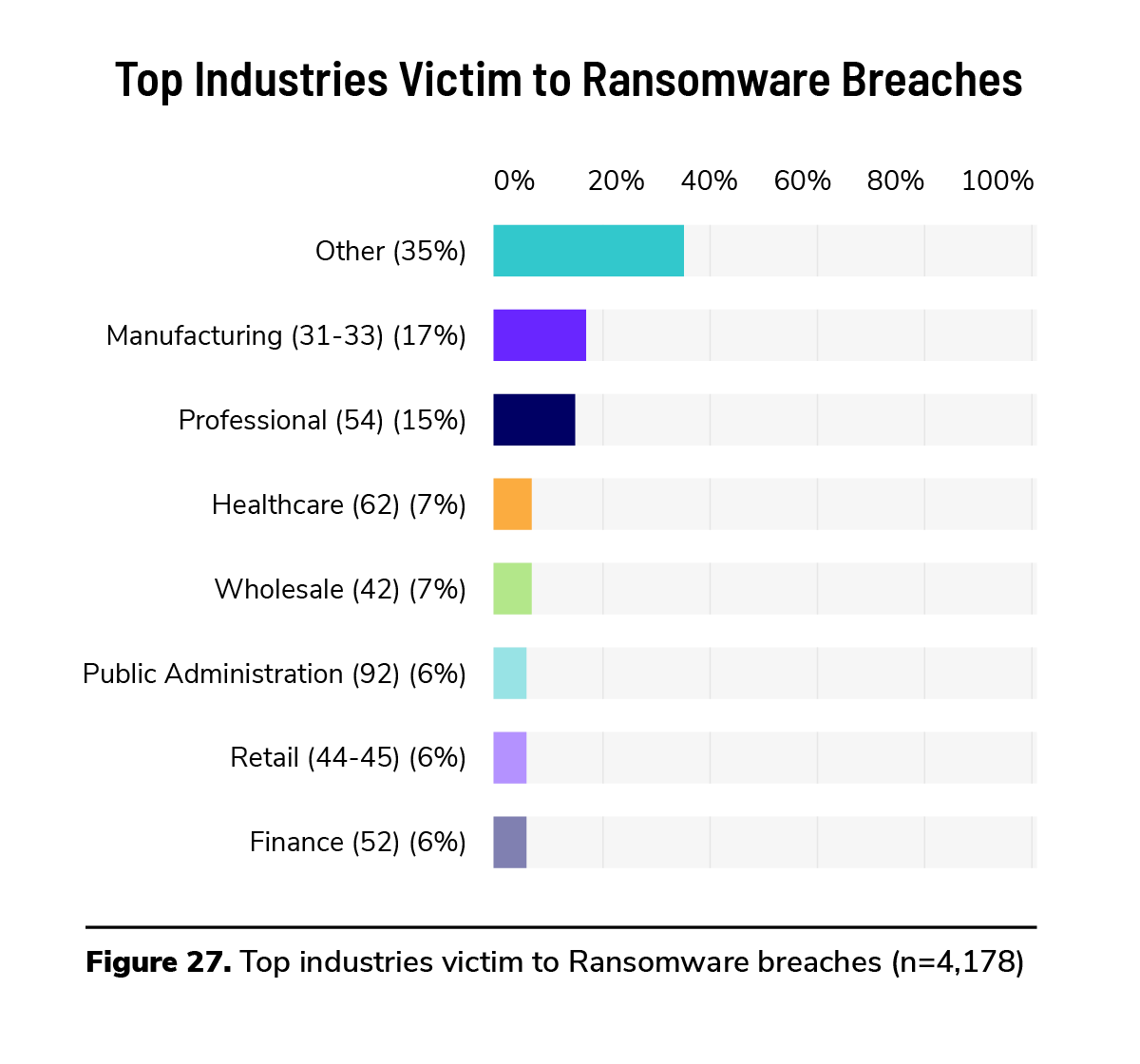
- Are more likely to use ransomware to target small to mid-sized businesses (SMBs). Last year, ransomware accounted for 88% of SMB breaches vs. 39% of attacks on larger organizations.
- Target virtual private networks (up 22% from last year’s 3%), and that it takes an average of 32 days for companies to remediate the vulnerabilities exposed.
- Steal credential logins in 30% of breaches.
Cybercriminals aren’t going away, so it’s therefore imperative that businesses protect themselves, their employees, and their customers from future attacks and losses.
TIP: Because 85% of data breaches involve a human element, it’s critical that your people know how to spot and report suspicious emails and activity. While employee training doesn’t eliminate your need for cyber insurance, it’s an extra security measure to keep your information safe.
The Cost of a Breach
The global average cost of a data breach is $4.4M, and 86% of businesses breached experienced a serious cost disruption. For many SMBs, any financial damage at this level could be crippling without cyber liability coverage.
Reputation and Compliance Risks
While it’s clear that cyberattacks can drain your finances, they can also damage customer trust. Luckily, many cyber insurance policies include support for crisis management and PR, helping your company rebuild its reputation.
Additionally, businesses in industries with strict data protection regulations (like healthcare and finance) can use cyber coverage to manage compliance risks and offset penalties.
Who Needs Cyber Liability Insurance?
The short answer: almost every business with a digital footprint.
Specifically, cyber liability insurance is crucial for companies that:
- Collect, store, or transmit sensitive data (personal, financial, or health information).
- Operate in high-risk industries like healthcare, financial services, e-commerce, technology, and professional services.
- Are small businesses, which are often targeted due to weaker defenses.
- Depend on digital systems for daily operations, such as retailers, service providers, and healthcare providers.
- Employ remote staff or third-party vendors with access to critical systems.
Choosing the Right Cyber Insurance Policy
Like all insurance policies, not all cyber liability coverage is created equal. When comparing policies, pay attention to the types of coverage offered and key features.
Types of Coverage: First vs. Third-Party Coverage
One of the most important distinctions in cyber liability insurance is between first-party and third-party coverage. Understanding the difference helps you choose the right protection for your business.
First-Party Cyber Liability Coverage
This type of coverage protects your business directly from the costs you incur after a cyber incident. In other words, it’s the financial lifeline for getting your company’s operations back on track.
Examples include:
- Data recovery and system restoration: Repairing or replacing corrupted files and networks.
- Business interruption: Replacing lost income if your systems are down.
- Ransomware/extortion payments: Covering costs tied to negotiating with cybercriminals.
- Customer notification and credit monitoring: Required if sensitive data is exposed.
- Crisis management and PR support: Managing reputational fallout.
Third-Party Cyber Liability Coverage
This type of coverage protects your company when others hold you responsible for damages caused by a cyberattack, and is especially important if you handle client or partner data.
Examples include:
- Legal defense costs if customers or partners sue.
- Regulatory penalties for failing to protect sensitive information.
- Settlement or judgment payments to affected third parties.
- Contractual liability if a partner claims your breach caused them losses.
Key Policy Features to Evaluate
- Policy limits and exclusions. Ensure your cyber coverage meets your business’s risk profile.
- Ransomware and fraud protection. Look for coverage for funds transfer fraud, phone fraud, and extortion.
- Legal defense and regulatory support. Many policies include coverage for compliance files.
- PR and crisis management support. Helps repair brand reputation after an incident.
TIP: Working with an experienced insurance broker ensures you choose a cyber liability insurance policy that matches your business needs and keeps pace with evolving threats.
Protect Your Information with the Right Partner
Cybercrime isn’t a matter of if but when. Having the right cyber liability coverage is essential to safeguard your company’s finances, reputation, and compliance standing.
Interested in learning how PrimePay’s trusted payroll and risk management solutions complement your business strategy? Let us know below and we can discuss how our ongoing support will strengthen your compliance, data security, and employee training needs.
Get In Touch With the PrimePay Team

In Marketing for over 15 years, Keegan has worked on marketing at Paychex, Sage People, and with ADP. He is really interested in the intersection of Artificial Intelligence and Machine Learning and how that is shaping the Human Capital Management Industry.